
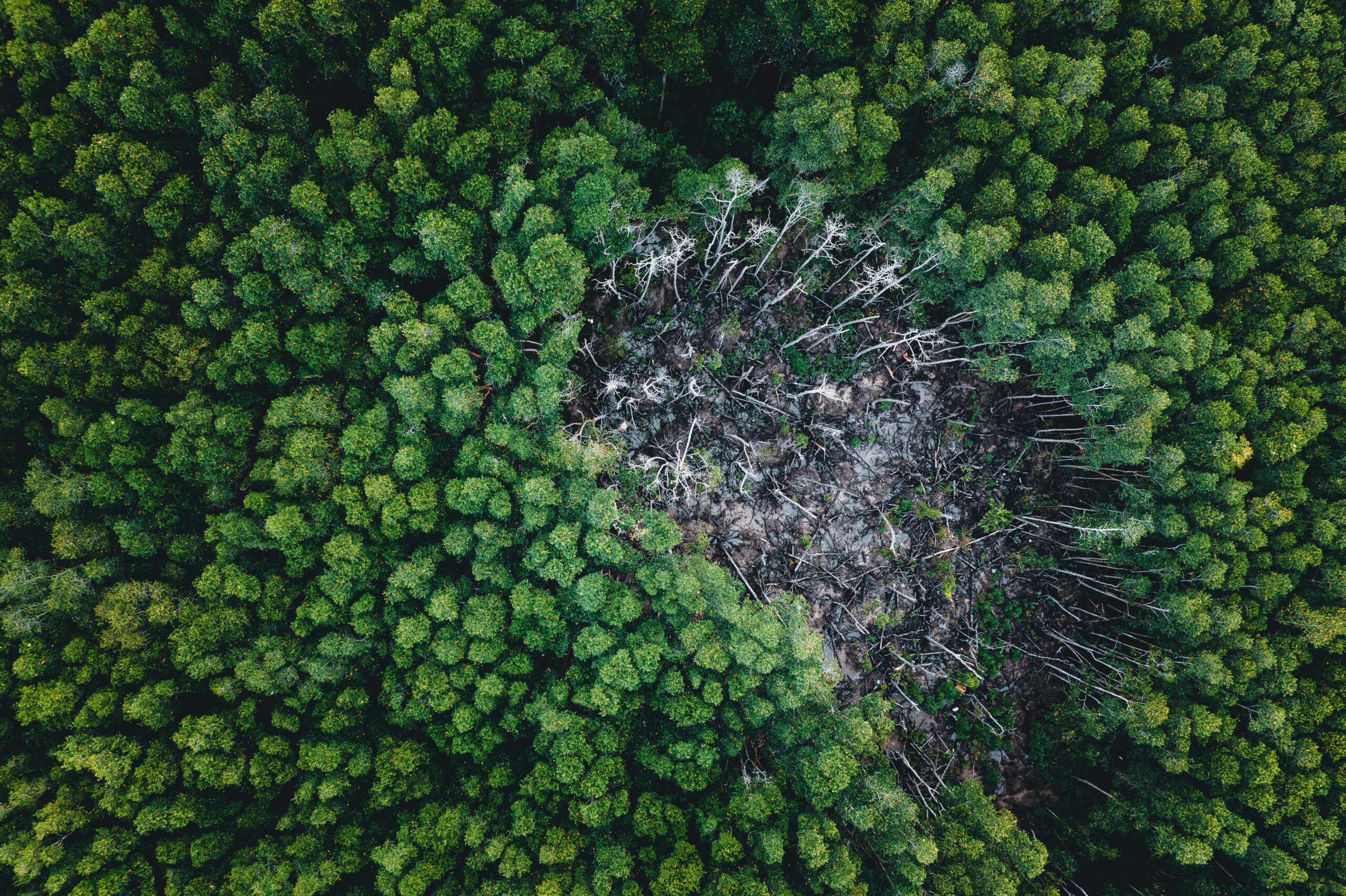
Sri Lanka’s forests can be affected in many different ways. In one area, trees may be cleared to make room for farming or new settlements. Somewhere else, repeated cutting, fires, mining, or other activity may slowly change the condition of the forest over time.
There is no single reason behind deforestation in Sri Lanka. Several pressures have contributed to forest loss and degradation across the country, and understanding those pressures helps explain why protecting forests can be such a challenge.
Agriculture and the Need for Land
Agriculture is one of the main causes linked to deforestation in Sri Lanka. Forested land may be cleared to create space for farming, commercial agriculture, or new settlements. Land often needs to serve many different purposes at once. Farmers need space to grow crops, communities need places to live, and forests need enough land to remain healthy. As farming and settlements spread into forested areas, the amount of natural habitat left behind can become smaller.
This is why land-use planning matters. Deciding where agriculture, development, and natural areas should be located can help protect forested areas from being cleared or damaged.
Development Can Change the Landscape
The same challenge can appear as towns and infrastructure expand. Roads, power projects, tourism developments, and other forms of construction can all affect forested land. Some projects require trees to be cleared directly. New roads can also make places that were once difficult to reach much easier to access, bringing more activity into the surrounding area.
Development is an important part of a country’s growth, but the way it is planned can make a difference. Taking forests and other natural areas into account early can help protect them as development continues.
A Forest Can Be Damaged Without Disappearing
Forest loss is not always as obvious as an empty piece of land. A forest can still have trees standing while its condition gradually becomes poorer. Repeated cutting, fires, grazing, mining, quarrying, or fuelwood collection can all place pressure on a forest over time. This is known as forest degradation. As these disturbances continue, they can affect the trees, plants, wildlife, and other parts of the forest around them. An area may still look green from a distance while no longer being in the same condition it once was. Protecting forests is not only about preventing them from being cleared. It also means caring for the forests that are still standing.
Understanding the Problem Helps Shape the Response
Because forest loss can happen in different ways, protecting Sri Lanka’s forests requires more than one solution. Better land-use planning, careful development, stronger forest protection, and restoring damaged areas can all play a part. Reforestation can help bring trees back to suitable land where forest cover has already been lost.
At Sumi Foundation, our environmental work contributes to this wider effort through our commitment to planting 50,000+ trees across Sri Lanka every year. Both protecting the forests that remain and restoring areas that have already been damaged can help shape a greener future for Sri Lanka.
Author: Rabia Amjad
