
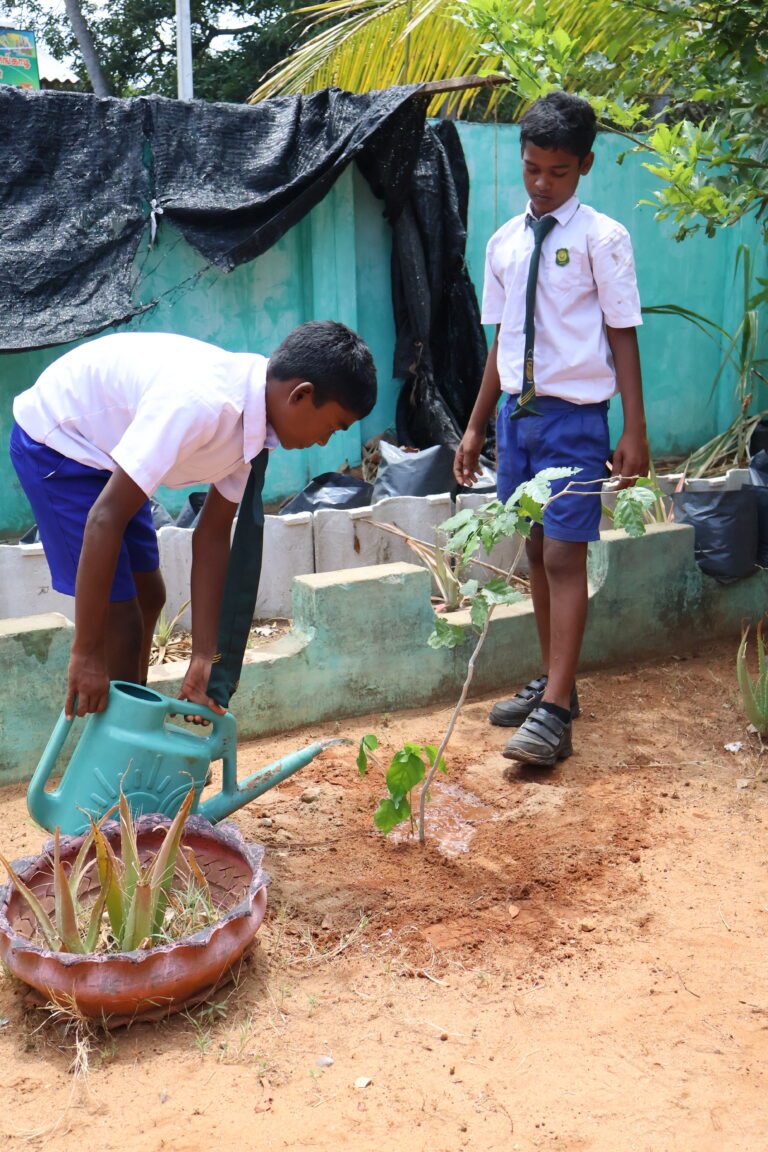
Planting a tree can feel like the big moment. A hole is prepared, a young sapling goes into the ground, and a new tree has officially been planted. But for the tree itself, the journey has only just begun. A newly planted sapling has to adjust to a completely new environment. Its roots need time to take hold, it needs access to water, and the conditions around it can all affect how well it continues to grow. That is why planting is only one part of giving a young tree the opportunity to thrive.
A Strong Tree Starts With Strong Roots
A newly planted sapling needs time for its roots to settle in and begin growing into the surrounding soil. As those roots spread, they help the tree reach the water and nutrients it needs to continue growing. Water can be very important during this early stage. A newly planted tree may need regular watering while its roots develop, especially during dry or hot conditions. However, every tree and every planting site is different. Soil, rainfall, weather, and the type of tree can all affect how much water is needed. Caring for a young tree means paying attention to those conditions and giving it the support it needs as it adapts to its new surroundings.
Where a Tree Grows Matters
A sapling may be small today, but it will not stay that size forever. As a tree matures, its roots spread further through the soil and its canopy can grow much wider. That means the place chosen for a young tree needs to make sense, not only for the sapling standing there today, but also for the larger tree it could become. Available space, sunlight, soil conditions, nearby buildings, roads, and other trees can all affect whether a location gives a tree enough room to grow. The goal is not simply to find an empty patch of ground. It is to give the tree a place where it has the opportunity to take root and continue growing for years to come.
Planting Is Only The First Step
Once a tree has been planted, continued care can help it through one of the most important stages of its growth. That may include watering, checking how the tree is developing, and responding when it shows signs of stress or difficulty adapting to its new environment. In larger planting and reforestation projects, the work can also involve returning to planting areas to see how young trees are growing and whether additional care is needed. This is why successful tree planting cannot be measured by planting day alone. Putting a sapling into the ground is an important first step. However, helping it grow stronger afterwards is what allows that planting to have a lasting impact.
From Sapling to Shade
The benefits we associate with trees do not appear all at once. A young sapling needs time before it can develop a broad canopy, stronger roots, larger branches, and the ability to provide more shade and habitat to the environment around it. That growth can take years, but that is also what makes caring for young trees worthwhile. The small tree planted today may eventually become part of a landscape for decades, providing benefits long after the day it was planted.
At Sumi Foundation, our commitment doesn’t end when a tree is planted. We continue to care for and water young trees, helping them take root, thrive, and grow for years to come.
Author: Rabia Amjad
